How to quote a plumbing job in Australia
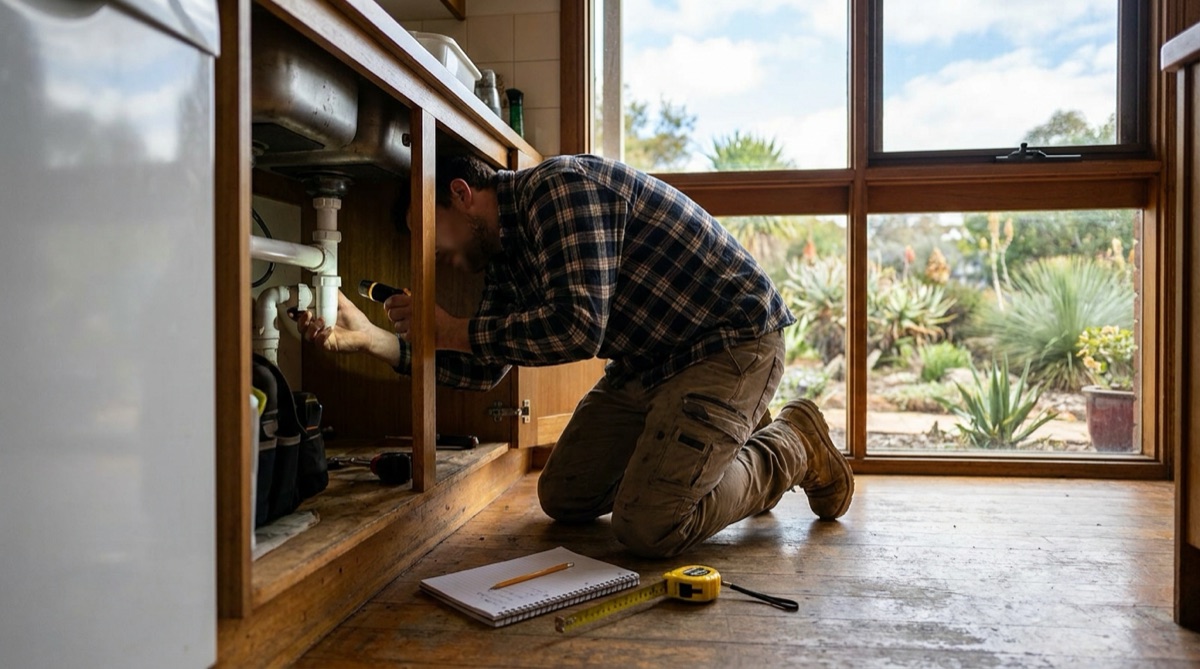
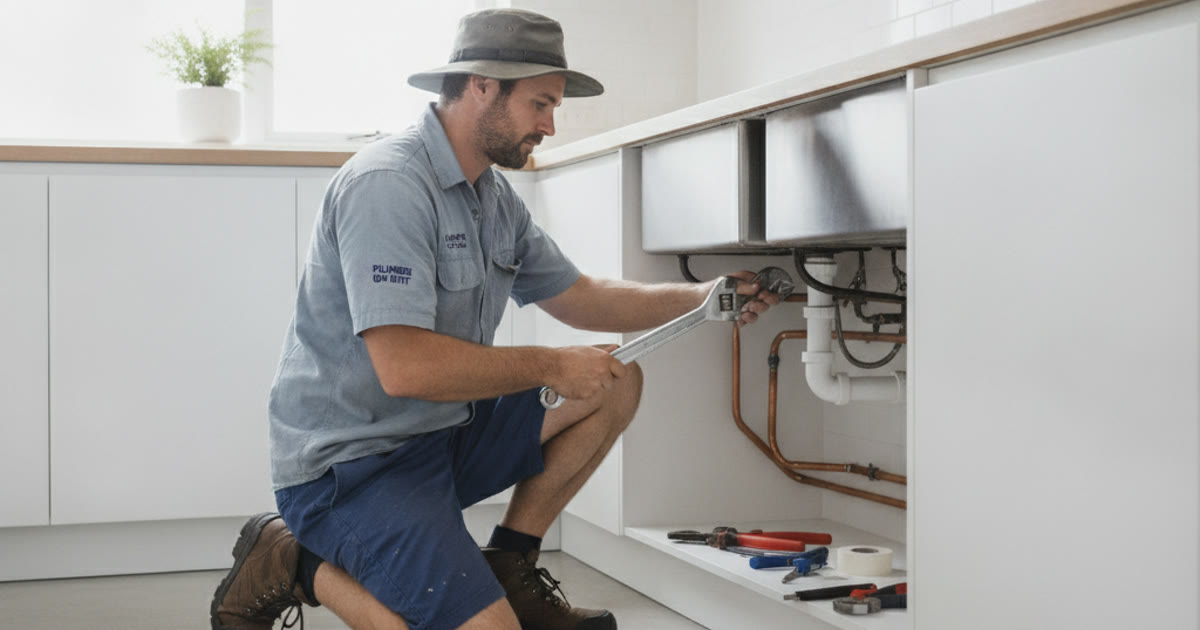
A clear plumbing quote makes the scope easier to approve and the completed job easier to invoice. Here is a repeatable structure for call-outs, repairs and planned work.
1. Record the problem and the site
Start with the address, the contact and the reported issue in the customer's own words. A leaking tap and a leak behind the wall are very different jobs, so write down what they told you and what you could see when you looked. On a site visit, note the age of the fittings, the water pressure, whether it is copper or PEX, and where the mains isolation valve is. Those details decide whether this is a fifteen minute washer change or half a day chasing a burst pipe.
Access is the thing tradies underquote most. A second-storey bathroom with no roof access, a unit block with visitor parking only, or a meter behind a locked cage all change your labour before you touch a tool. Note parking, stairs, height, and whether you isolate water to the whole building or one fixture. On a tenanted property, write down who lets you in, because a missed appointment is money you do not get back.
Take photos while you are there. A shot of the corroded valve or the water stain on the ceiling protects you later when the customer says the damage was not there before. Attach those to the enquiry so the evidence follows the job through to the invoice.
2. Separate the work into useful line items
- Call-out, inspection or diagnostic fee.
- Labour allowance, with the unit or estimated hours clear.
- Parts and materials, including the relevant brand or specification.
- Disposal, access equipment or subcontracted work where applicable.
Itemised lines help the customer understand what they are approving and make variations easier to discuss. If you lump everything into one figure, the first question is "why is it so much", and you have nothing to point at. Break it out and the conversation shifts to the parts.
Be specific on parts. "Mixer tap" invites the customer to buy the cheapest one online and hand it to you. "Supply and install Methven mixer, WELS 5-star" tells them what they are getting and why the price is what it is. If they supply their own fixture, note that you are not warranting owner-supplied goods.
Where the fix depends on what you find once you open up, quote the diagnostic and the likely repair separately. A blocked drain is the classic case: charge for the jet and camera, then give a provisional figure for the repair, to be confirmed once you can see the cause. The customer has approved the investigation and you are not stuck doing a big job on a small quote.
3. State what is included and excluded
Exclusions are not you being difficult, they are you being clear. Say plainly whether making good, tiling, painting, excavation, or after-hours work is included. Most plumbing repairs leave a hole in a wall or a lifted paver, and the customer often assumes you will put it all back like new. If you are not a tiler, say so in writing before you start, not after they see the gap.
Hidden damage is the other big one. When you cannot see behind the wall or under the slab, write that the quote covers the visible scope only and that anything found will be a variation. Old galvanised pipe, tree roots in the sewer and asbestos-backed sheeting are the classic surprises on older Australian homes. And if the job touches gas, backflow or a compliance certificate, say who is responsible and whether its cost is in the quote.
4. Add GST and a clear acceptance path
Show the subtotal, the GST and the total as separate lines. A residential customer wants to know the number they actually pay, and if you are registered for GST you must show it on the tax invoice anyway. Get it right on the quote and the invoice inherits it.
Put a validity date on every quote. Copper, fittings and hot water units move in price, so thirty days is a fair default. State when payment is due and how they pay. A deposit on a hot water changeover or a bathroom rough-in is normal and protects you from buying stock for a job that evaporates.
Make acceptance easy. A quote the customer can approve with one tap gets signed off faster than one they have to print, sign and email back. Keep the accepted version, with the date and who approved it, on the job as your record of what was agreed.
5. Turn the accepted quote into the job
Once approved, the same scope should flow straight to whoever schedules and does the work. If you rewrite the job from memory, things get missed and the apprentice turns up without the right fitting. The accepted line items are the job sheet, so the person on site can see what was quoted and what is excluded.
On the day, keep adding to the record. Photos of the finished work and any compliance certificate belong on the job. If a variation comes up, capture the customer's approval before you do the extra work. Then build the invoice from the completed job rather than a blank one, so nothing you did goes unbilled.
A quick pre-send checklist
Before a plumbing quote leaves your phone, run down this list. It takes thirty seconds and saves the follow-up.
- Customer name, site address and the reported problem in their words.
- Call-out or diagnostic fee shown separately.
- Labour hours or a fixed labour figure, not a mystery lump sum.
- Parts named by brand and spec, with WELS rating where it matters.
- Access, parking and isolation assumptions written down.
- Exclusions: making good, tiling, hidden damage, after-hours.
- Who provides any compliance certificate and whether it is priced.
- Subtotal, GST and total as separate lines.
- Validity date, deposit terms and how they accept.
Common mistakes that cost you money
The most expensive mistake is quoting off a phone description without seeing the job. "The toilet is running" can be a five dollar washer or a cracked cistern, and if you commit to a price before you look, you wear the difference. For anything past a simple repair, quote the inspection first and the fix once you have eyes on it.
The other is forgetting the small stuff that adds up: disposal of the old hot water unit, the excess on a hire jetter, the trip back for a part you did not have on the van. Build an allowance for these into your rates so they are already in the number. And do not let quotes go stale in your drafts. The plumber who replies fast, with a clear itemised price, usually gets the job.
Use a rate card so the first draft is consistent
Store common call-outs, labour rates, fittings and installation items in one catalogue. When your washer changes, mixer installs and drain clears already have prices attached, every quote starts from the same numbers and you stop pricing from memory. A new hand can then put together a sensible draft without guessing.
ServicePilot can use those items to prepare an AI-assisted draft from an enquiry or job description, so the boring first pass is done for you. You review every line, adjust the labour, add the exclusions and send it. The tool speeds up the typing, but the judgement stays with you.
Build clearer plumbing quotes from your own rates.
Try the quote-to-paid workflow for 14 days with no credit card.
Start free